
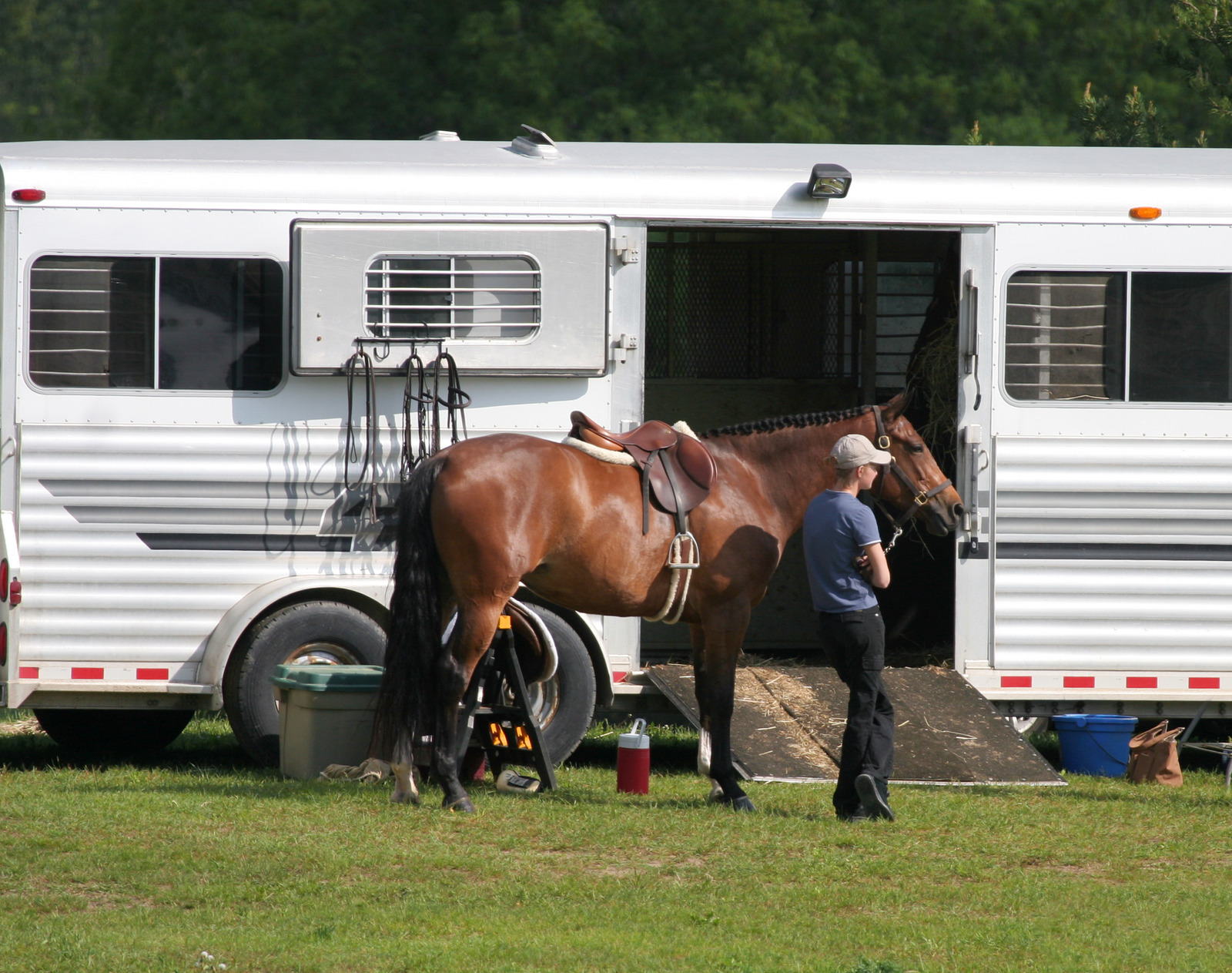
This guide from Horse Float Loans breaks down loan repayments for a horse float business budget alongside the everyday costs that hit hardest once hauling becomes routine. If you are searching ‘how to track horse float running costs for business’, this budget structure keeps decisions practical, calm and built for competition weeks and travel demands.
- Set a repayment line that survives quiet months
- Separate running costs from maintenance and repairs
- Price insurance properly, including downtime risk
- Build a reserve that stops panic spending
Running A Float Like A Business Asset
You can tow a float for years and still get caught out by the numbers once you start charging clients, moving multiple horses or spending weekends on the road. The cost of equine transport for business in Australia sits in the small line items that arrive after the first big purchase. Build your forecast around horse float running costs for business, then lock in loan repayments for a horse float business budget and the horse float insurance and maintenance cost before you take on more clients.
Start With A Budget That Matches Your Season
Horse work runs in waves. Show season squeezes cash, then quieter months open breathing room. Set a monthly base, then add a separate competition allowance. If you need a clean system, ASIC’s Moneysmart Budget Planner gives you a simple framework to list income, fixed bills and variable costs. https://moneysmart.gov.au/budgeting/budget-planner
Break Your Costs Into Four Buckets
Use this structure and you will see gaps early.
- Finance: repayments, interest, fees, any balloon amount
- Running: fuel, tolls, parking, tyres, rego, tow vehicle wear
- Care: servicing, brakes, bearings, lights, flooring, safety checks
- Protection: insurance, excesses, a reserve for urgent repairs
This approach supports equine transport overhead tracking without turning bookkeeping into a second job.
How To Set Repayments Inside A Business Budget
Repayments need to sit beside wages and feed, not behind them. Start by choosing a repayment amount that stays workable in your lowest-income month. Add a buffer on top. Many owners treat this as monthly horse float cash flow planning: repayments first, operating costs next, then growth spending. If you quote transport or training packages, make sure each job contributes to repayments. People searching how do I set loan repayments for a horse float business budget usually need pricing discipline.
Maintenance And Safety Costs You Can Predict
Maintenance feels random when you do it late. It becomes predictable when you schedule it. Put servicing dates on your calendar the same way you track farrier runs. Create a float depreciation and replacement fund, even if it starts small, because floors, braking components and tyres do not wait for a good month. Keep a pre-trip checklist for lights, brakes, breakaway systems and coupling wear.
Insurance And Risk Costs That Sneak Up
Insurance cost depends on float value, usage, storage and policy detail. Your real expense includes excesses, downtime and the admin load after an incident. Treat cover as a business tool, not an afterthought. Many people search how to budget for horse float insurance after a claim reminds them what one problem can do to a season.
A Repair Reserve That Stops Scrambling
Set aside a fixed percentage of each paid job into a reserve account until it covers at least one major repair event like wheel bearings, brake work, floor repairs or electrical faults. Owners also search how to track horse float running costs for business when repairs and repayments land in the same week. A reserve keeps decisions steady.
Plan horse float running costs for your business with Horse Float Loans