
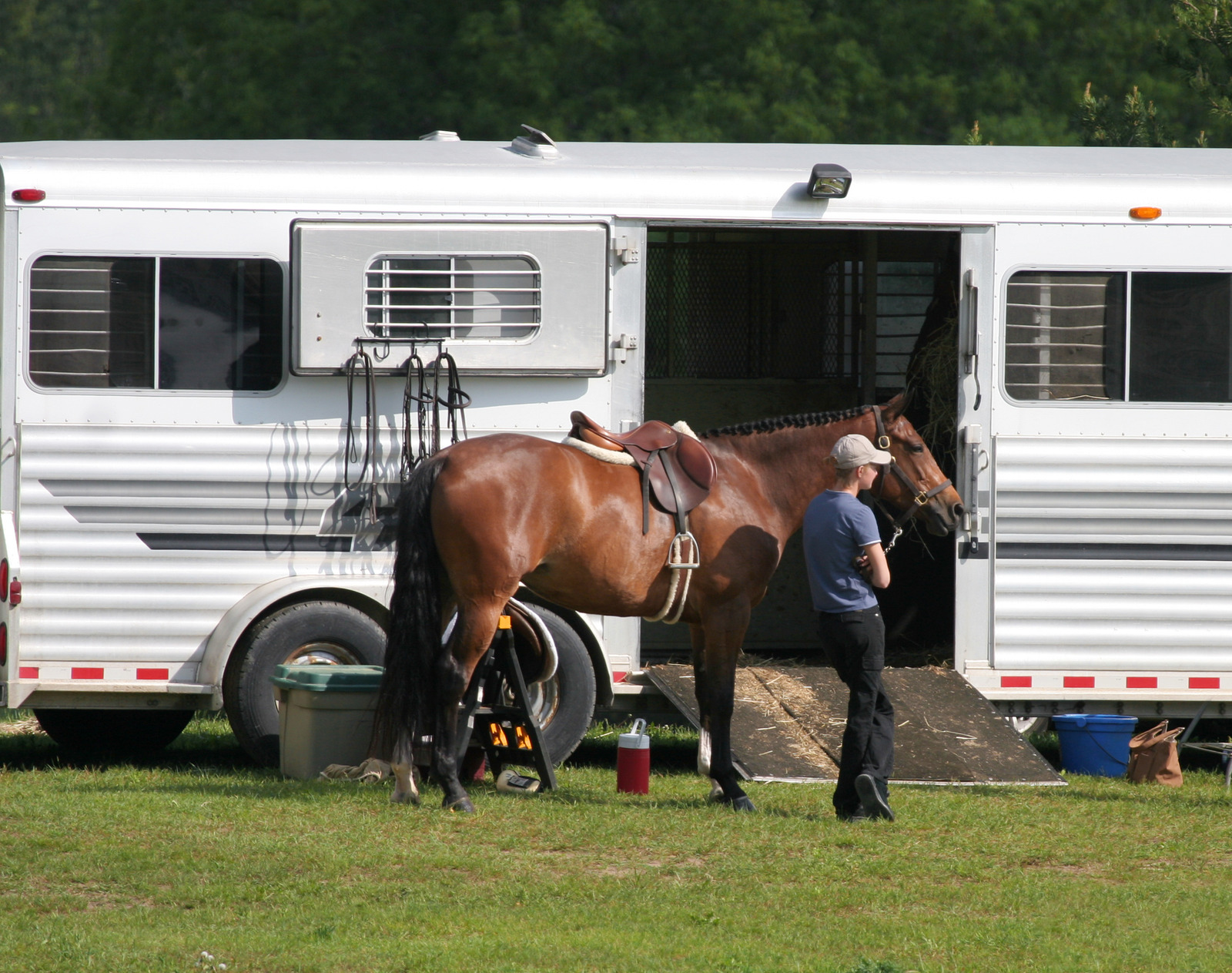
Owning a horse float means budgeting for expenses outside the purchase price or finance repayment. Some bills come around each year, while regular towing adds fuel use and wear according to how you use the float. Horse Float Loans is one finance option when you are purchasing a new or used float. Your horse float running costs need their own ownership budget, with registration, insurance, maintenance and unexpected repairs accounted for separately.
Your monthly finance repayment, including finance arranged through Horse Float Loans, is a known amount in your budget. Horse float running costs behave differently. Some have set due dates, while others accumulate through use and wear. Separating them by how they arise gives you a clearer annual ownership budget.
Fixed Annual Horse Float Costs
Registration is payable even during months when the float stays at home, with requirements and charges varying between states and territories. Your horse float expenses in Australia therefore depend partly on where the float is registered. Insurance is another regular expense, and a lender may require adequate cover where the float secures the finance.
Other fixed expenses may include:
- Paid storage for owners without suitable space at home.
- Finance account fees where these apply to the loan.
- Inspection or certification charges where required by the relevant jurisdiction.
Essential Maintenance & Wear-and-Tear Expenses
Regular towing adds wear, but kilometres are not the only factor. Loaded weight, road conditions and storage also affect the work needed to keep your float roadworthy. Queensland Government towing guidance recommends regular maintenance and identifies wheel bearings, suspension and brakes as components that need to remain in good working order.
Your horse float maintenance costs may include:
- Tyre replacement due to wear or age
- Brake and bearing servicing and repairs
- Electrical faults involving lights, wiring or trailer connections
- Repairs to flooring, ramps, doors and latches
These bills do not fall evenly across the year, so putting money aside regularly helps cover larger servicing and repair expenses when they occur.
How Towing & Heavy Usage Impact Running Costs
Fuel is the most visible towing expense because you pay for it as you travel. Less obvious horse trailer running costs accumulate through wear during those same trips. Additional kilometres bring tyre, brake and bearing replacement closer, so regular competition travel carries costs that are paid now and others that appear through later servicing and repairs. This increases the cost of owning a horse float across a high-use year.
How to Build a Realistic Horse Float Budget
Turning irregular annual expenses into a monthly provision makes them easier to budget for. If registration, insurance and planned maintenance total $2,400 a year, for example, that represents $200 a month before fuel and unexpected repairs.
Your current float will also eventually need replacing. Its resale value may not cover the future replacement price, particularly if equivalent floats cost more by then. Building a replacement reserve gradually reduces the amount of capital or finance you will need when replacement is due.
Our horse float loan calculator estimates weekly or monthly repayments from the loan amount, interest rate and term you enter. Keep that figure separate while calculating your annual horse float costs, then combine them to assess the overall ownership budget.
Plan ahead before you buy. Estimate your loan repayments with Horse Float Loans to ensure your entire budget stays on track.