
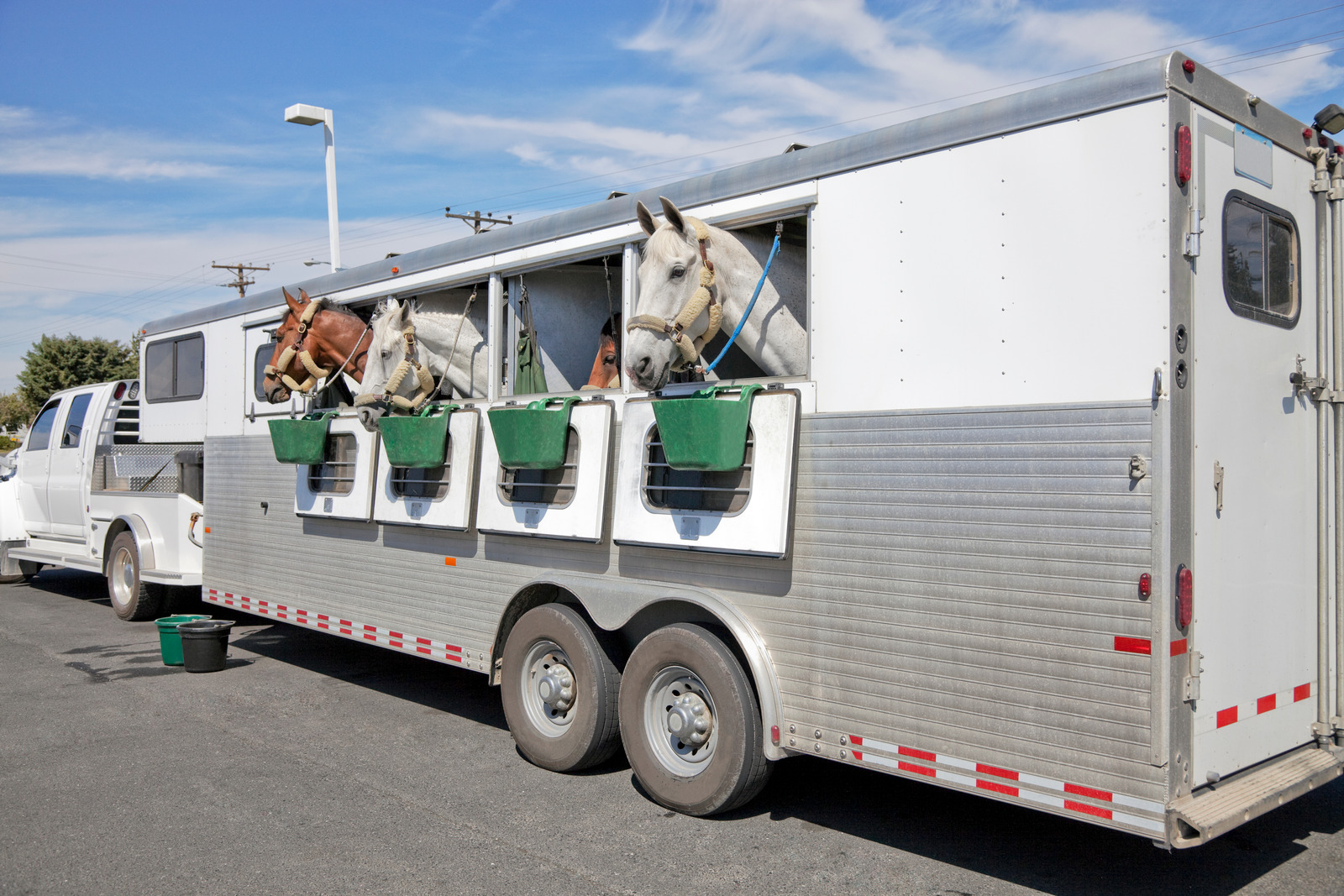
This guide from Horse Float Loans breaks down who benefits most from a horse float loan for business in Australia and when timing matters. Built for people who live the horse life, it speaks to real hauling pressure, real costs and real decisions. It also answers ‘how do I finance a horse float in Australia’ with clarity and grounded know-how.
- First-time buyers stepping into ownership.
- Trainers moving horses week after week.
- Clubs coordinating shared floats.
- Businesses scaling transport without cash strain.
The first horse float purchase often feels like a one-off decision. The float looks solid in the yard and the tow vehicle feels ready. Then the calendar fills. Training days stack up. Competition weekends blur together. Transport stops being occasional and becomes operational. That is where a first time horse float buyer loan earns its keep, especially when cash flow needs to stay loose for feed, vets and entry fees.
For newcomers, a new float removes guesswork: clean brakes; known load ratings; warranty cover. Finance spreads the hit without draining reserves. A properly structured loan lets first-time owners learn float handling, horse behaviour on the road and compliance rules without also juggling repair bills and tinkering constantly with maintenance.
Why Trainers Rely on Finance, Not Cash
Trainers live on the road. Early starts. Late pack-downs. Horses that need calm, consistent hauling. A tired float becomes a liability fast when downtime costs more than loan repayments ever will.
For professionals, a commercial float loan in Australia supports reliability and scale. It keeps schedules on time and your brand reputation intact.
How Clubs and Committees Share the Load
Clubs face a different pressure. Shared floats work harder and wear faster. Breakdowns put a strain on your valued volunteers and can cause the cancellation of plans. Many committees now explore equestrian club float finance in QLD options to spread cost fairly across members and seasons. Finance makes shared assets viable without constant fundraising fatigue.
Well-structured lending gives clubs predictability.
Compliance, Safety and Business Exposure
Business owners hauling horses for agistment, breeding or sales operate under sharper scrutiny. Vehicle standards, load safety and maintenance records matter. Guidance from the National Heavy Vehicle Regulator’s Load Restraint Guide highlights the importance of compliant trailer condition, braking systems and load security when operating floats on public roads.
A financed float that meets current standards protects horses, drivers and the business itself.
What Usually Triggers the Decision
The shift to finance rarely comes from impulse. Pressure builds quietly, then all at once. More horses. Longer distances. Tighter timelines. Finance converts strain into structure.
Common tipping points include:
- Regular towing exceeding casual use
- Repair costs creeping into operating budgets
- Growth plans that demand dependable transport
- Compliance upgrades becoming unavoidable
Horse Float Loans understands those moments because the equine world runs on trust and timing. A float is a working kit so finance needs to match the purpose of keeping you moving instead of holding you back.
Get your smart Horse Float Loans for business use in Australia.